Xcelent Concrete Services

How to Remove Oil Stains from Concrete- A Complete Guide

how to remove oil stain from the concrete

Got an ugly oil stain on your concrete driveway or garage floor? Don’t panic — you’re not alone, and yes, you can fix it without calling in the pros (unless you want to). Whether it’s motor oil, cooking grease, or an accidental spill from your weekend DIY project, this guide will walk you through the fastest and most effective tricks professionals use to remove oil stains from concrete — and how you can do the same.

Let’s get your concrete looking fresh and clean again — fast.

Why Remove Oil Stains from Concrete?

Oil stain on your concrete surface does not only reduce its appearance but also: 

Weaken the surface: Prolonged exposure can cause degradation over time.

Safety risks: Oily surfaces are slippery and, therefore, create a lot of accidents.  

Low property value: Stains in your outdoor space will make them appear poorly maintained.  If you do not know whether you can clean the stains, consider hiring professionals in Portland concrete contractors.

Tools and Materials Needed

Before starting, you must have:

-Absorbent materials (such as baking soda, cat litter, or cornstarch)

– A stiff-bristle brush

 – Dishwashing liquid or degreaser

 – Water

 – Protective gloves

 – Power washer (optional)

 – Commercial oil stain remover (if necessary)

The #1 Trick Professionals Swear By: Degreaser + Scrubbing + Pressure Rinse
You’ll see dozens of home remedies online, but the real winning combo? Degreaser, scrubbing, and a proper rinse. It’s the method pro concrete cleaners use for 80% of stain jobs.
Let’s break it down step-by-step ⬇️

How to Remove Oil Stains Step by Step

Comprehensive Guide for Concrete Surfaces

Step 1

1. Act Quickly

The sooner you treat an oil stain, the faster it will go away. Fresh spills are less likely to penetrate the porous surface of concrete.

Step 2

2. Absorb Excess Oil

  • For recent spills, apply absorbent material over the stain.
  • Allow it to soak for 15–20 minutes to absorb the oil.
  • Clean the residue.
Step 3

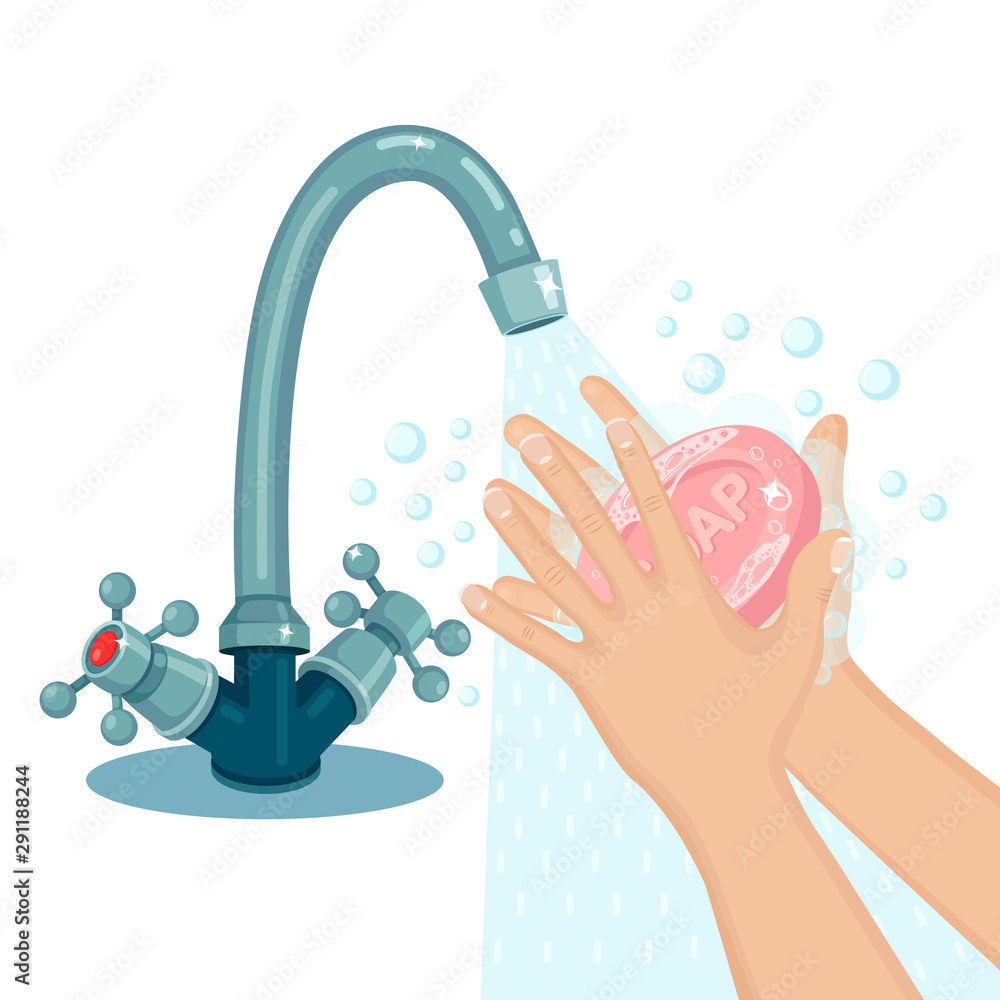
3. Soap and Water Scrub

  • Combine equal parts of warm water with dishwashing detergent or degreaser.
  • Apply this solution directly to the stained area.
  • Scrub in circular motions using a stiff-bristle brush to remove the stain.
  • Repeat if the stain isn’t completely gone after the first scrub.
Step 4

4. Use Baking Soda for Stubborn Stains

  • Sprinkle a good amount of baking soda over the stain.
  • Add a little water to make it into a paste.
  • Rub the paste into the concrete with your brush.
  • Rinse with water and repeat if needed.
Step 5

5. Use a Commercial Oil Stain Remover

  • On older or heavily set stains, purchase a commercial oil stain remover for concrete.
  • Apply according to the manufacturer’s instructions.
  • Allow it to dwell for the recommended time to remove the stain.
Step 6

6. Power Wash the Area

  • If the stain persists, clean the area using a power washer.
  • Ensure the pressure is manageable to avoid damaging the concrete.
  • Professional concrete contractors often use this method for large or stubborn stains.

Pro Tip: Professional concrete contractors in Portland often use this method for large or stubborn stains.

Products Professionals Recommend (And You Can Buy Too)

Here are a few go-to products worth having in your garage:

ProductBest ForWhere to Buy
Simple Green Oxy SolveEco-friendly degreasingAmazon, Home Depot
Oil Eater CleanerDeep, tough stainsAmazon, AutoZone
ACT Concrete CleanerSet-in oil and greaseLowe’s, Walmart
WD-40 (yes, really!)Quick spot removalAny hardware store
💬 Want links added? Let us know in the comments and we’ll drop in product links you can trust.

🛡️
🔐

How to Prevent Oil Stains in the Future

Stopping stains before they happen is way easier than removing them.

Here’s how:

  • Seal your concrete
    every 1–2 years. It makes it harder for oil to penetrate.
  • Use drip trays or mats
    under vehicles, mowers, or grills.
  • Clean up spills immediately
    — even 5 minutes can make a difference.
  • Keep baking soda or cat litter
    handy in your garage.

If the DIY approaches do not yield the expected outcome or your concrete is badly damaged, then it’s best to call professionals. Experienced concrete contractors in Portland will analyze the scenario and give solutions such as resurfacing or deep cleaning.

Conclusion

Oil stains in concrete are among the toughest nuisances. Use these easy, practical methods on your surfaces so that they would regain their splendor. Maintaining your concrete by cleaning up the spills promptly is the way it will be appearing great for more years to come. For problems that need professional concrete contractors in Portland for superior results, make sure you talk to reputable and reliable concrete service providers who’ll ensure that concrete surfaces will keep looking their best. Contact Xcelent Concrete Services today for expert advice and professional solutions to keep your concrete surfaces looking their best.
?
?
?

Frequently Asked Questions About Removing Oil Stains from Concrete

?
Q How do you naturally remove oil stains from concrete?
To remove oil stains naturally, apply baking soda and dish soap directly to the stain. Scrub with a brush, let it sit, then rinse with warm water. This method is safe and effective for most fresh stains.
Q Will oil stains on concrete go away over time?
No, oil stains will not disappear on their own. Oil soaks deep into concrete, making it harder to remove the longer it sits. Immediate cleaning is the best approach.
Q Can vinegar remove oil stains from concrete?
Vinegar is not effective for oil stains. It’s better suited for cleaning mineral deposits. For grease or motor oil, use baking soda or a degreaser instead.
Q Can you paint or seal over an oil stain on concrete?
You should only paint or seal concrete after the oil stain is completely removed. Sealing over a stain can lead to peeling, poor adhesion, and discoloration.

Leave a Reply

Your email address will not be published. Required fields are marked *