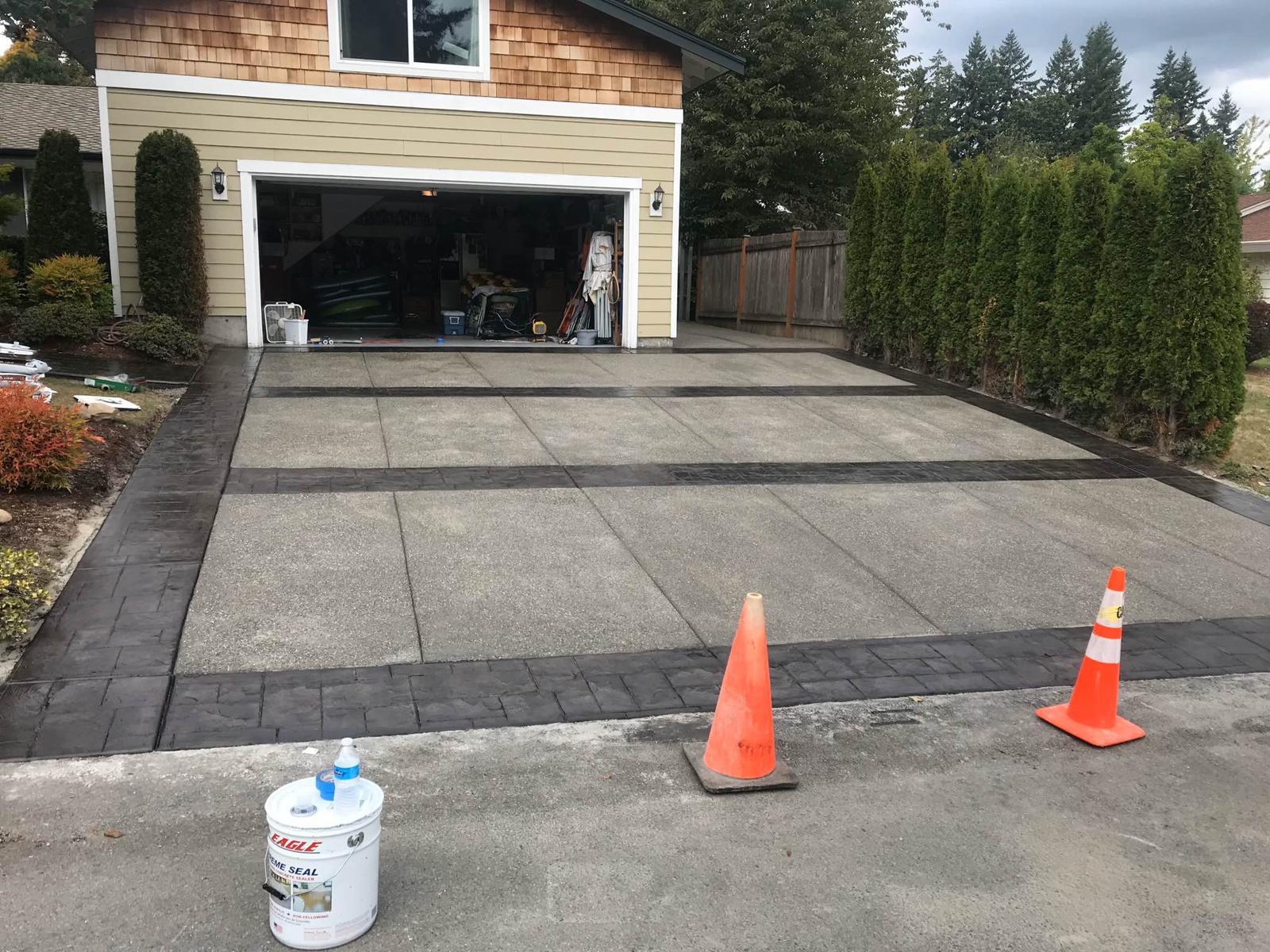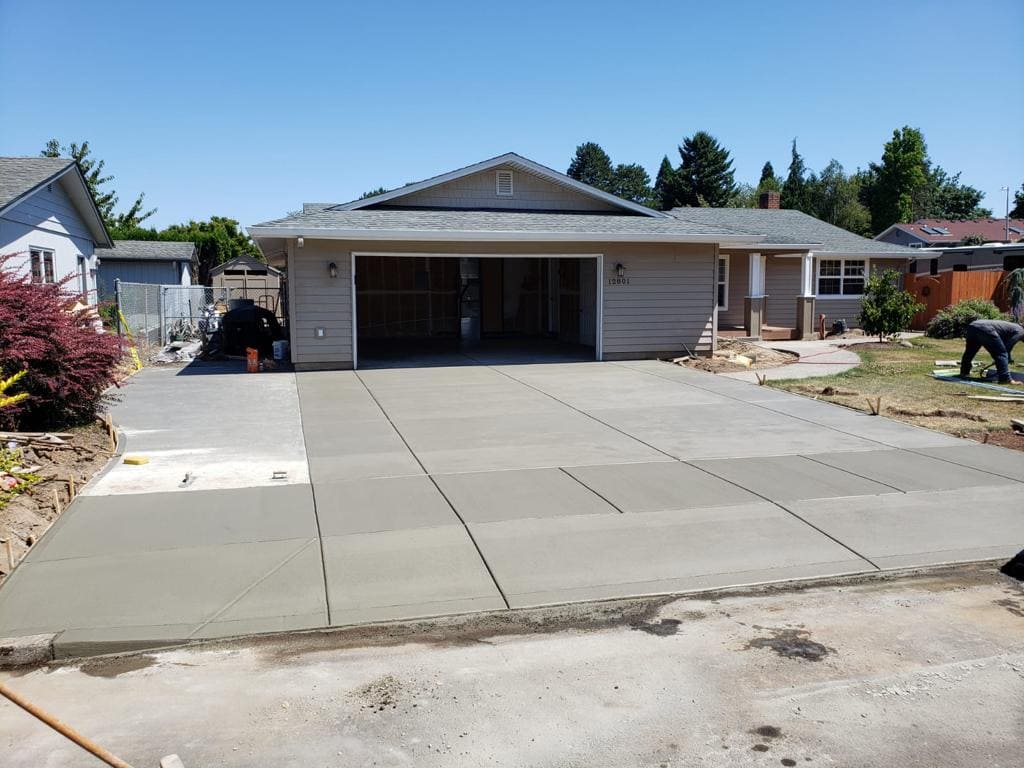
Ridgefield, WA weather may influence your concrete project through preparation, pouring, finishing, and curing. Rain, cold weather, hot summer temperatures, and varying soil moisture can affect concrete behavior, so choosing the right conditions and installation methods is crucial for quality results.
Why Weather Conditions of Ridgefield Are Important for Concrete
Ridgefield has a Pacific Northwest climate with wet winters and relatively dry summers. Total precipitation in the region is about 44–46 inches per year, with most of it falling in winter. Summer weather can be hot, with temperatures up to 80°F, while winter temperatures are usually in the 30s and 40s.
Such variations have an impact on the concrete installation process. Fresh concrete requires favorable conditions during its placement and gaining strength. Rain, cold temperatures, high temperatures, and poor soil conditions are possible obstacles that can be avoided during the initial planning stage.
Homeowners who are thinking of having a driveway, patio, walkway, slab, or any other concrete surfaces should consider these factors.
Rain Can Affect Fresh Concrete
Rain is one of the major weather factors that could pose challenges for concrete contractors in Ridgefield.
Concrete contains water in very well-controlled proportions. Too much rain at the time of pouring or right after would mean introducing additional moisture into the concrete surface, which could make finishing the concrete harder. Rain could also cause problems by forming puddles on the surface if the concrete was not hard enough yet.
This does not mean that each and every forecast about rain would automatically cancel all plans. Professional Concrete Contractors consider several factors when making their decision whether to continue work.
These factors include the forecast about rain and its timing, intensity, duration, and the stage of concrete placement. If the forecast shows bad weather ahead, it might be wiser to change the schedule. Otherwise, contractors can take necessary precautions against rain.
Cold Weather Can Slow Concrete Curing
Ridgefield’s winter temperatures can create another challenge. Concrete does not simply dry; it gains strength through hydration, a chemical reaction between cement and water.
Cold temperatures slow this process. According to the American Concrete Institute, hydration is greatly retarded below 40°F, and additional curing considerations may be necessary at lower temperatures.
For winter projects, Concrete Contractors services may involve adjusting the pouring schedule, selecting an appropriate mix, protecting freshly placed concrete, monitoring temperatures, and allowing sufficient curing time.
The important point is that air temperature is only one part of the equation. Concrete temperature, ground temperature, wind, moisture, and the specific project all influence the appropriate approach.
Summer Heat Can Speed Up Setting
Ridgefield summers are generally much drier than winters, which can make scheduling easier. However, warmer conditions can create their own challenges.
Higher temperatures accelerate hydration and can cause concrete to stiffen faster. This gives the crew less working time for placing, screeding, edging, floating, and finishing.
Direct sunlight, wind, humidity, concrete temperature, and the size of the project can also affect how quickly concrete changes from a workable material to one that is difficult to finish.
This is particularly important for larger driveways, patios, and slabs. Contractors need to plan the placement and finishing process around the expected conditions rather than assuming that a warm day is automatically ideal.
Wet Ground Can Affect Site Preparation
Weather can influence your concrete project before the concrete arrives.
Ridgefield’s wetter seasons can leave soil saturated or soft. If the underlying ground is not properly prepared, compacted, and graded, the finished concrete may be placed over an unstable base.
Concrete depends on the conditions beneath it. Poor preparation can contribute to settlement, cracking, drainage problems, or uneven areas over time.
Before pouring, a contractor should consider the existing soil, grade, drainage, base material, compaction, concrete thickness, and intended use of the surface.
For a driveway carrying regular vehicle traffic, proper subgrade and base preparation are particularly important.
Drainage Is Part of Weather Planning
Rain does not stop mattering once the concrete has cured. Water management remains important throughout the life of the project.
A properly planned concrete surface should allow water to move away rather than repeatedly collect against the slab, foundation, garage, or other structures.
Depending on the project, contractors may consider slope, grading, drainage, joints, reinforcement, and surrounding site conditions.
If your property already has puddling or runoff problems, tell the contractor before work begins. Fixing drainage concerns during site preparation can be much easier than addressing them after a new concrete surface has been installed.
What Homeowners Should Ask Their Contractor
It’s important to inquire about the Concrete Contractors in Ridgefield’s approach to varying weather conditions.
Some good questions include:
- What is your strategy for dealing with rain on the expected pouring date?
- What temperatures would compel you to delay the pouring?
- What will be done to prepare the site in case of wet ground?
- What curing process will you be using?
- How do you deal with drainage?
- What things must I avoid doing during the curing process?
The answers to such questions will give you an idea of whether the contractor thinks about the entire project or just the pouring part.
Is There a Best Month for Concrete Work in Ridgefield?
There isn’t any month that assures ideal weather.
Summer months in Ridgefield are drier, hence easier to schedule. However, increased temperatures speed up the setting process. It all depends on the weather forecast. Spring and fall months might also be favorable.
Rather than just using the month, it is better to consider the actual weather period.
Concrete contractor services should be scheduled based on temperature, precipitation, ground conditions, and curing, among others.
Final Takeaway
Ridgefield weather can influence virtually every stage of a concrete project. Wet conditions can complicate preparation and placement, cold temperatures can slow strength development, and summer heat can accelerate setting.
Working with experienced Concrete Contractors who understand local conditions can help you plan the project around the weather instead of working against it. Proper preparation, drainage, placement, finishing, and curing all contribute to a concrete surface designed to perform well for years.
Author Bio
About the Author: The Xcelent Concrete Services team has practical experience with residential and commercial concrete projects, including site preparation, placement, finishing, and weather-conscious project planning. The team focuses on providing clear recommendations based on the specific property, application, and local conditions.
FAQs
Can rain ruin freshly poured concrete?
Heavy rain at the wrong stage can interfere with fresh concrete and its surface. Contractors should evaluate the timing and intensity of the rain and determine whether protection or rescheduling is appropriate.
Can concrete be poured during winter in Ridgefield?
Yes, concrete can be installed during colder weather when appropriate procedures are followed. Cold temperatures can slow strength development, so contractors may need to modify protection and curing practices.
Is summer better for concrete projects?
Summer is generally drier in Ridgefield, but heat can cause concrete to set faster. The actual weather conditions and project requirements matter more than the season alone.
Does wet soil affect a concrete driveway?
Yes. Excessively wet or poorly compacted soil can create an unstable base. Proper grading, drainage, base preparation, and compaction are important before installation.
Should I postpone my project if rain is forecast?
Not automatically. Your contractor should consider the expected timing, amount of rainfall, project type, and concrete stage before deciding whether work should proceed.
How long does concrete need to cure?
Curing requirements vary according to the concrete mix, environmental conditions, project specifications, and intended use. Follow your contractor’s instructions regarding traffic and use during the curing period.